Game Design / UI UX Can you distinguish the living from the dead before time runs out?

Rout G-66

CREATORS

Nickolay Martínez & Sara Ávila

GENRE

Psychological Suspense / Retro Horror

TOOLS

Figma, Illustrator, Unity (Audio/UI)

DELIVERABLES

UX Strategy, Wireframes, High-Fidelity UI

View Final Result

Project Overview

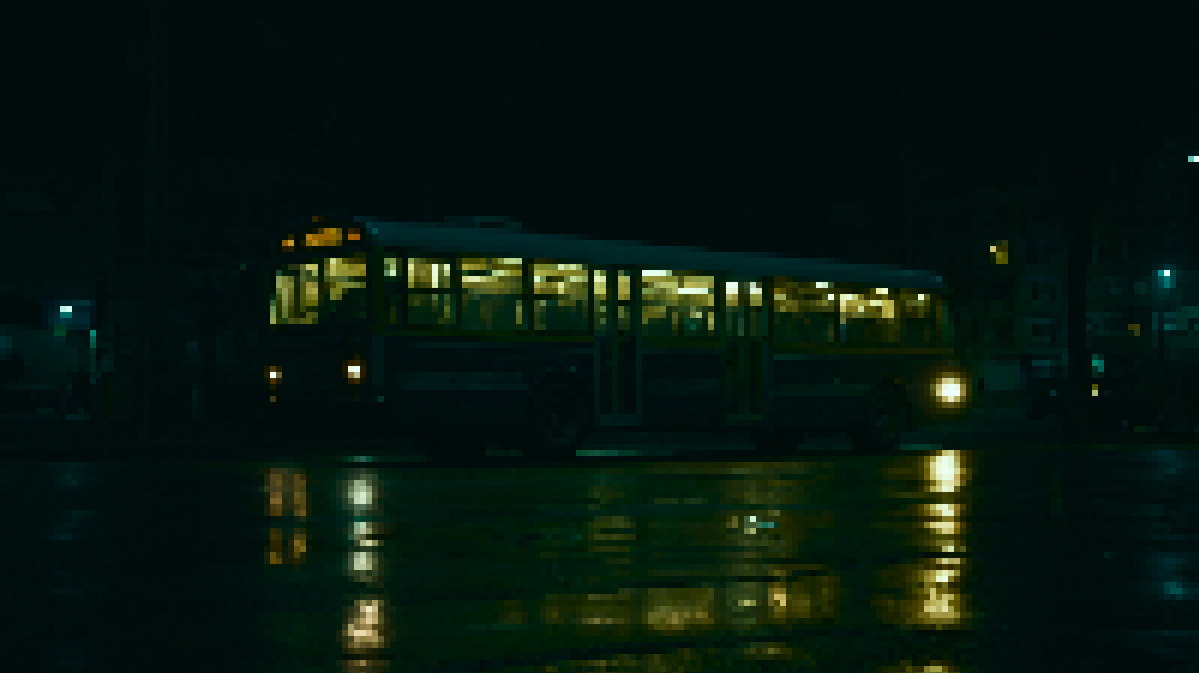
In Rout G-66, you take on the role of the driver for the ghost route "G66" traversing the historic La Candelaria neighborhood of Bogotá. On your journey, your task is to pick up lost souls. You must analyze each passenger's identity carefully to prevent any mortal from infiltrating the bus and disturbing the imminent silence—a mistake that would mean your ultimate end.

The Challenge

The goal was to create a psychological suspense and decision-making game with an immersive atmosphere. We needed to develop a UI and mechanic that forces the player into high-pressure analysis to distinguish between spirits and the living, without relying on cheap jump scares.

The Solution

We designed a retro, pixel-art style interface that emulates classic horror games. By implementing a strict visual timer for every passenger interaction, combined with deeply unsettling audio design rooted in local Colombian culture, we created a truly tension-filled experience focused on careful deduction.

My Role & Contributions

As one of the core creators of Rout G-66, I wore multiple hats to bring this psychological horror experience from a concept to a playable game. My responsibilities spanned across the entire product lifecycle:

UX Research & UI Design

I led the foundational research to understand our player profiles and designed the retro, pixel-art interface, ensuring the menus, visual timers, and layout induced the right amount of psychological tension.

Scenario Design & Development

Beyond the visual design, I was in charge of crafting the atmospheric scenario of the ghost bus navigating through La Candelaria. I also actively developed the game in Unity, bringing the UI, interactions, and immersive audio logic to life.

The Legend of the G-66

The Ghost Bus G-66 Urban Legend

Bogotá is a city rich in myths, but few are as chilling as the urban legend of the phantom bus route: the G-66. According to local lore, this ghostly transit vehicle roams the desolate streets of the capital late at night, appearing only to lonely commuters.

"Those who board the G-66 never reach their earthly destination. They join a silent ride bound for the afterlife."

— Bogotano Urban Legend

By rooting our game in this deeply cultural narrative, we tapped into a familiar sense of dread for local players while introducing international audiences to a captivating piece of Colombian folklore. The historic La Candelaria neighborhood, with its colonial architecture and narrow, shadowy streets, serves as the perfect atmospheric backdrop for this haunting journey.

Target Audience

To ensure the game resonated with the right players, we tailored the mechanics, aesthetics, and narrative around three distinct user profiles:

Retro Enthusiasts

Players deeply interested in retro gaming aesthetics, nostalgic pixel art, and classic interface design.

Horror & Mystery Admirers

Fans of the psychological thriller genre who seek an experience that combines a paranormal narrative with touches of realism.

Local Cultures

Users who appreciate cultural connections. The game draws heavily on the rich urban legends of Bogotá's capital city to ground the horror in reality.

First Paper Prototypes

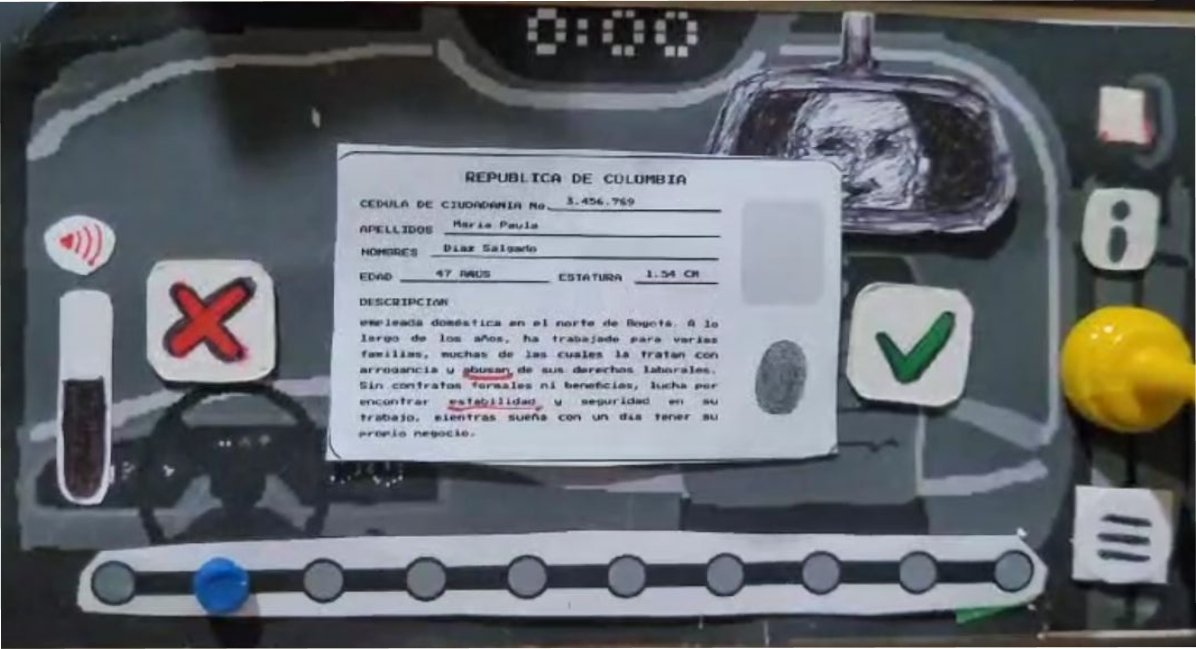
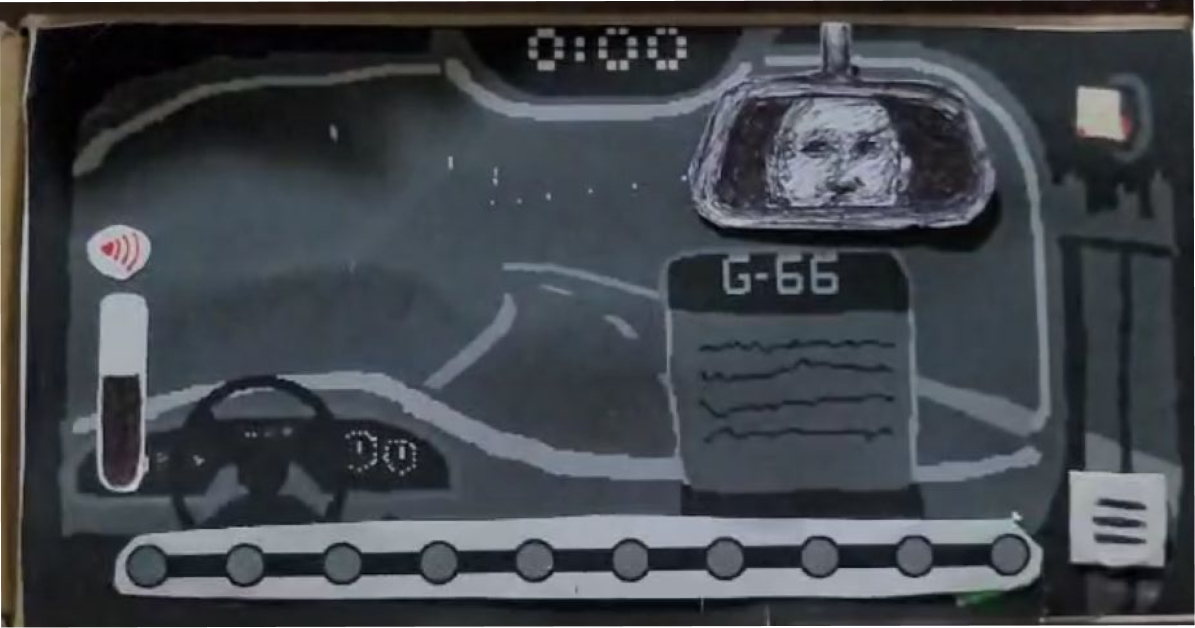
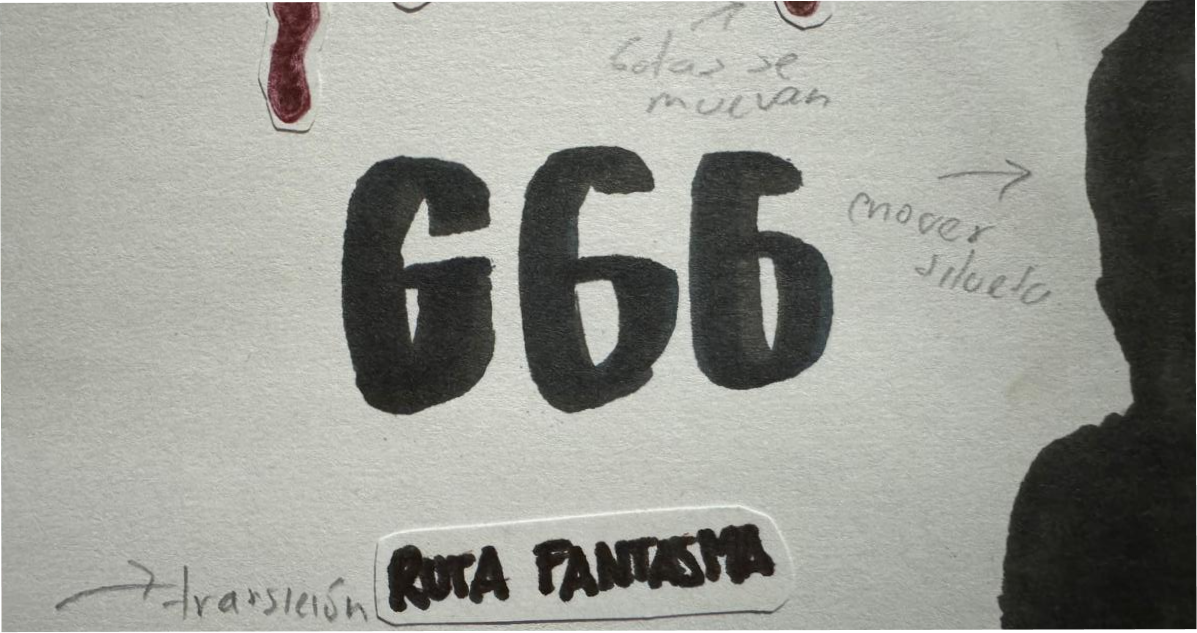
Before moving to digital tools like Figma or Unity, the core concepts, UI layouts, and scenarios were sketched out on paper. This rapid prototyping phase allowed us to iterate quickly on the placement of the visual timer, passenger dialogue boxes, and overall screen flow without getting bogged down by details.

Paper Prototype 1 - Main Menu Layout
Paper Prototype 2 - In-Game UI
Paper Prototype 3 - Scenario Sketch

Core UI & Audio Experiences

A deep dive into how interface design and sound engineering work together to induce psychological suspense.

Game MechanicsPressure & Decision Making

The core interaction revolves around time and pressure. The player must carefully read passenger descriptions and analyze visual clues to decide who gets on the bus and who gets left behind. Every choice is restricted by a strict visual timer, forcing players to make split-second deductions. If a mortal slips through, the game ends.
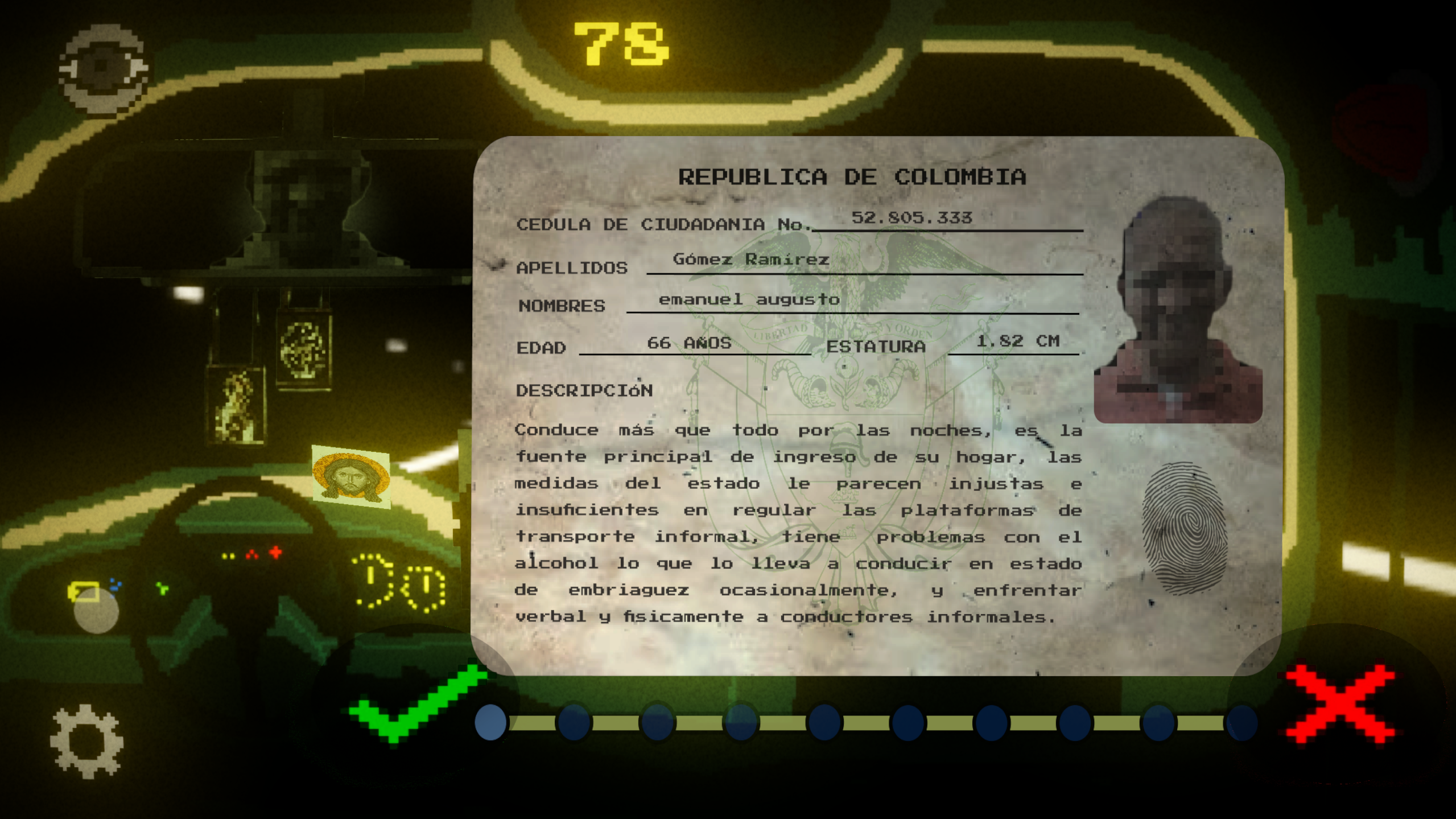
In-Game UI
In-Game UI

Immersive AtmosphereSound & UI Synergy

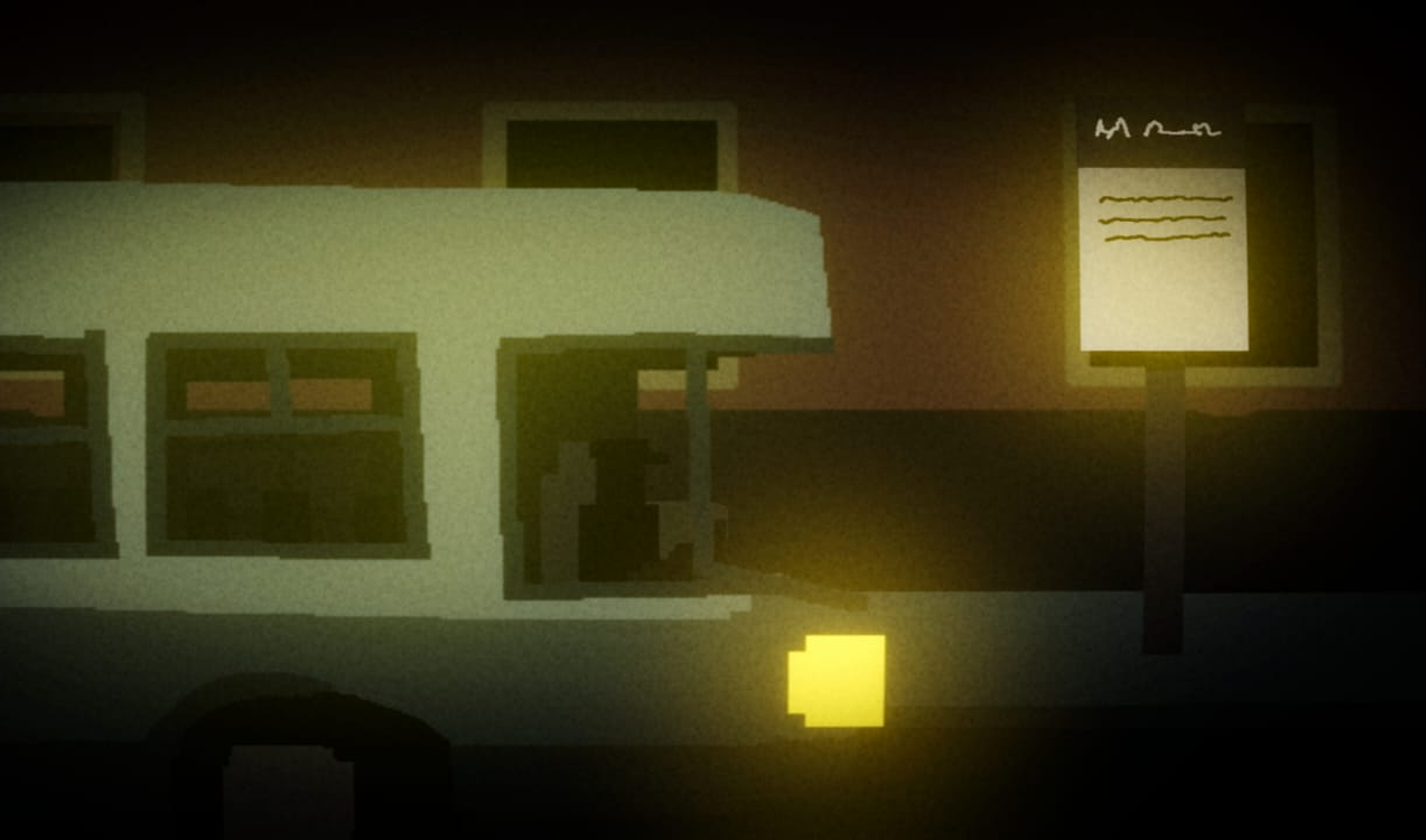
Every button and menu interaction acts as a trigger for environmental sounds. The menus feature radio static and fragments of old broadcasts. Inside the bus, players hear the vehicle moving, brakes screeching, and random unsettling whispers or bells. The background music consists of typical Colombian tracks, heavily distorted to generate unease.

Cinematics & Audio
Cinematics & Audio

Retro InterfaceMain Menus & Flow

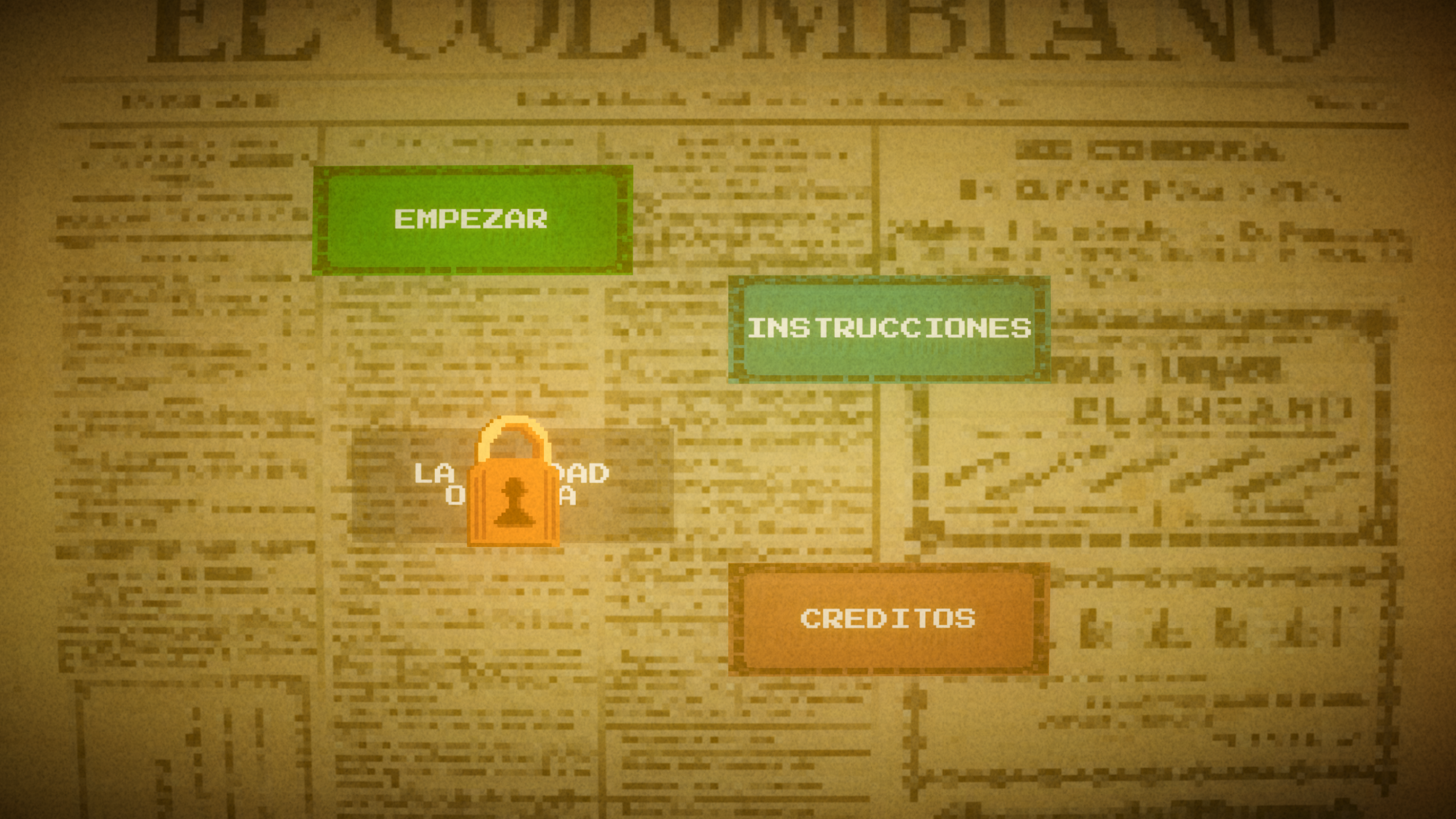
The UI was designed to feel like a classic arcade horror game. From the eerie introductory cinematic dialogue—"Tonight you must take the souls to their final destination..."—to the main menu screens ("Start", "How to Play", "Hidden Truth"), everything utilizes minimal colors and pixel-perfect typography. The feedback loops include distinct "You survived the night" or "You lost" screens.

Main Menu
Menu System

Key Takeaways

Designing Rout G-66 reinforced how vital the connection between UI and Sound Design is in the horror genre. By relying on a strict color palette and minimal pixel art, we proved that psychological suspense doesn't require complex 3D graphics—it requires a solid mechanic (time-pressured decision making), immersive audio, and a culturally compelling narrative.

The Final Result

Check out the full Itch.io page to see the final MVP product.

View Project on Itch.io